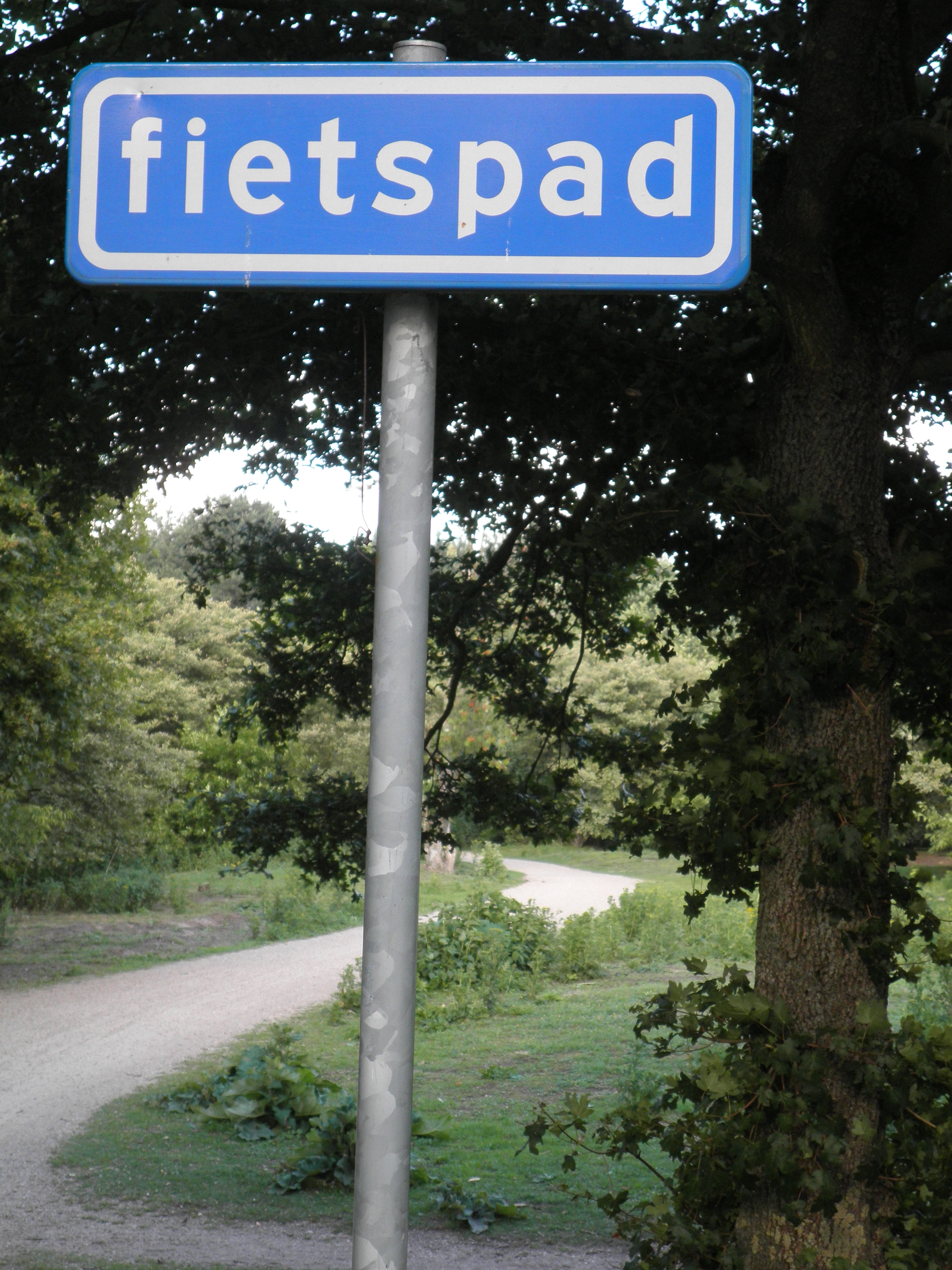
The construction of a rural shared path resolves only the first part of a long-term infrastructure challenge. Ongoing maintenance — surface repair, seasonal gritting, vegetation control, and sign condition — requires a clear assignment of responsibility between the gmina, neighbouring landowners, and, in some cases, road districts (obwody drogowe). In practice, the arrangements that govern this responsibility are often informal or absent entirely, particularly on paths built through community initiative rather than formal gmina investment.
Why Written Agreements Matter
Verbal understandings about path maintenance are common in small rural communities where neighbours have longstanding relationships. They break down when land changes hands, when the specific obligation is disputed, or when liability for an injury on a poorly maintained path becomes a legal question. Polish civil law (Kodeks cywilny, Art. 415 et seq.) creates liability for damage caused by failure to maintain infrastructure in a safe condition. Without a written agreement establishing who is responsible for what, that liability defaults to the path manager — typically the gmina — even where local convention assumed the adjacent landowner would handle certain tasks.
A path that crosses three properties over 800 metres may pass through the maintenance responsibility of three different parties. Without coordinated written arrangements, each party may assume another is handling a given stretch.
Typical Agreement Structure
Written maintenance agreements for rural shared paths in Poland typically address the following elements:
Parties and Their Roles
The agreement identifies the gmina or powiat road manager as the primary responsible body, along with any adjacent landowners or residents' associations (stowarzyszenia mieszkańców) who accept specific maintenance obligations. Agreements may also include a local volunteer group or Koło Gospodyń Wiejskich (Rural Housewives' Circle) where such bodies are active in path upkeep.
Scope of Maintenance Tasks
Common tasks assigned in such agreements include:
- Surface inspection — frequency (typically quarterly), who conducts it, and what threshold of damage triggers a repair request.
- Winter maintenance — gritting or salting during frost periods and snow clearance. This is frequently the most contentious area, as it requires regular action at short notice and carries the highest liability risk.
- Vegetation control — trimming hedgerows and overhanging branches that obscure signage or narrow the usable path width. Frequency is usually twice yearly (spring and late summer).
- Drainage clearance — clearing culverts and drainage channels alongside the path, particularly important in areas where the path was constructed on former agricultural land with complex drainage arrangements.
- Minor surface repairs — filling potholes up to a defined size threshold (e.g., up to 10 cm diameter and 3 cm depth), with larger repairs referred to the gmina road unit.
Reporting and Escalation
Agreements typically include a mechanism for reporting defects that exceed the scope of the assigned party's responsibility. This usually means a written or email notification to the gmina road department (referat dróg) with a specified response time.
Duration and Renewal
Most agreements are concluded for an initial period of three to five years, with automatic renewal unless terminated with notice. Agreements tied to specific EU-funded projects sometimes include a minimum maintenance obligation period matching the project's durability requirement (commonly five years from the end of a programming period).
Formal Registration and Notarial Acts
Where a maintenance obligation relates to privately owned land that a public path crosses, the agreement may need to be registered in the land register (księga wieczysta) as an encumbrance (służebność) to bind future owners. This requires a notarial act and registration with the district court land registry. Gminas undertaking formal path registration should consult with a notary at the planning stage to determine whether the path's route over any private land creates ongoing registration obligations.
Practical Observations from Rural Gminas
Several patterns recur in gminas that have developed written maintenance frameworks:
- Paths adjacent to active agricultural operations tend to see more rapid surface deterioration from farm vehicle crossings. Agreements that explicitly address this — including provisions for who bears the cost of damage caused by farm traffic — have fewer disputes.
- Paths built in connection with village sołectwa (sub-gmina administrative units) are more likely to have functional maintenance arrangements where the sołtys (village head) acts as a coordinator between residents and the gmina road department.
- Paths in areas without an active community leader tend to fall into disrepair within two to three winters where no formal arrangement exists, regardless of the path's construction quality.