A reference on planning cycle routes, interpreting Polish road sign regulations, and structuring maintenance arrangements for shared rural paths.
Three subject areas — lane planning, safety signage, and resident maintenance agreements — form the editorial focus of this site.
Administrative and technical requirements for designating a rural bicycle lane — spatial planning documents, surface standards, and land acquisition under Polish road law.
Sign categories, placement rules, and recurring errors in signage on shared cyclist-pedestrian paths under Polish road sign regulations.
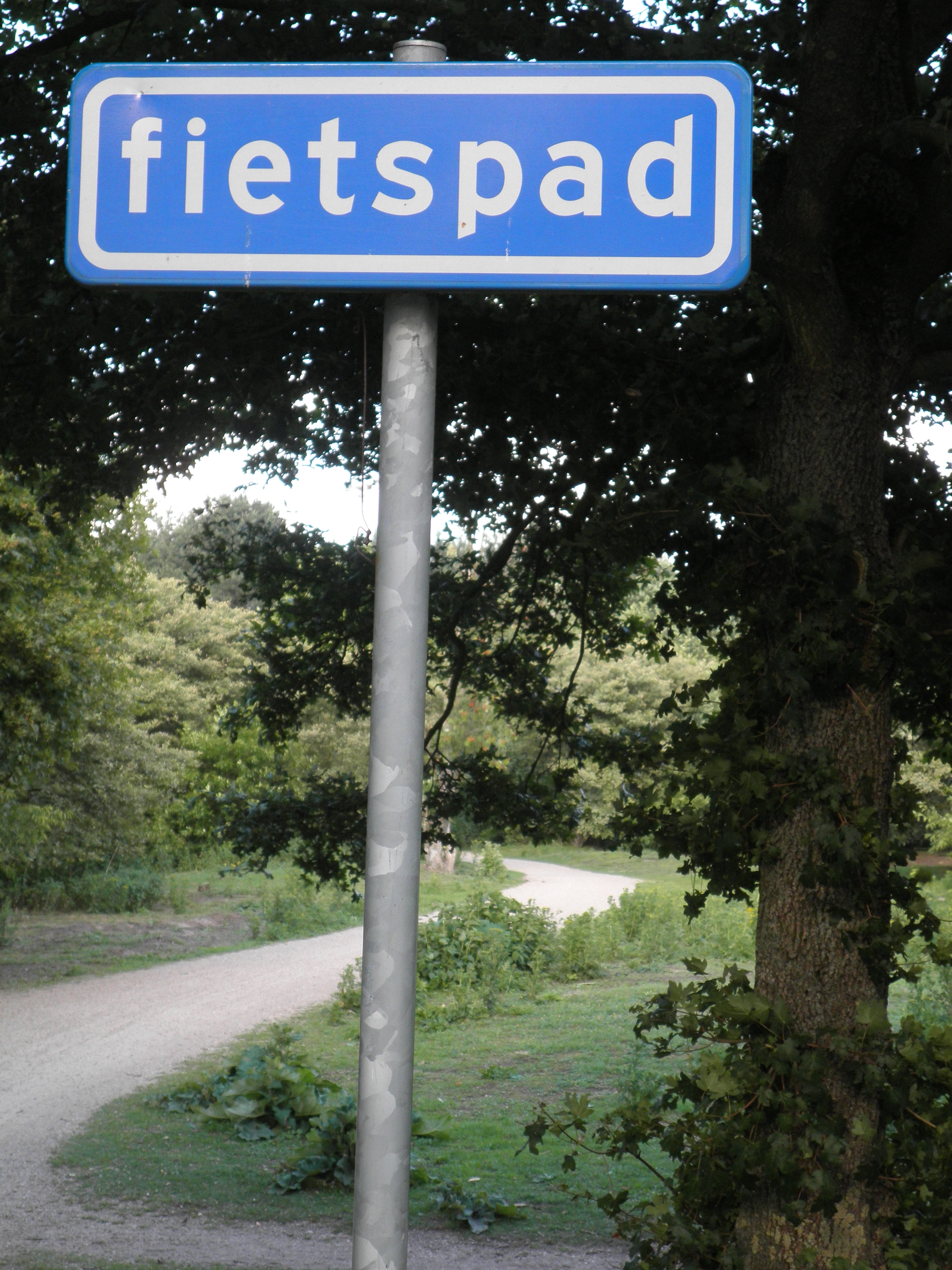
How gminas and adjacent landowners in Poland formalise responsibilities for seasonal gritting, vegetation control, and surface repair on rural shared paths.
Content draws on publicly available Polish administrative sources, EU cycling guidance, and documented community practices in rural gminas.
Administrative steps, spatial planning requirements, and technical standards under the GDDKiA guidelines for new rural cycle paths.
Sign categories C-13, C-16, C-13/C-16, and A-24 — placement height, lateral offset, and the most common installation errors observed in rural areas.
Written agreement structures for winter gritting, vegetation control, drainage clearance, and minor surface repairs between gminas and neighbouring properties.
Focus on Mazowieckie, Małopolskie, and Podkarpackie voivodeships, where EU-funded rural cycle infrastructure development has been most active in recent years.
Relevant legislation including the Road Traffic Act, the Public Roads Act, and the Civil Code provisions on maintenance liability and land encumbrances.
EuroVelo route standards and the 2021–2027 Regional Operational Programme eligibility criteria for cycling infrastructure co-financing.
Factual corrections and questions about specific content are reviewed. Responses are not guaranteed. The form processes data locally in your browser; no data is transmitted to any server.